

Introduction
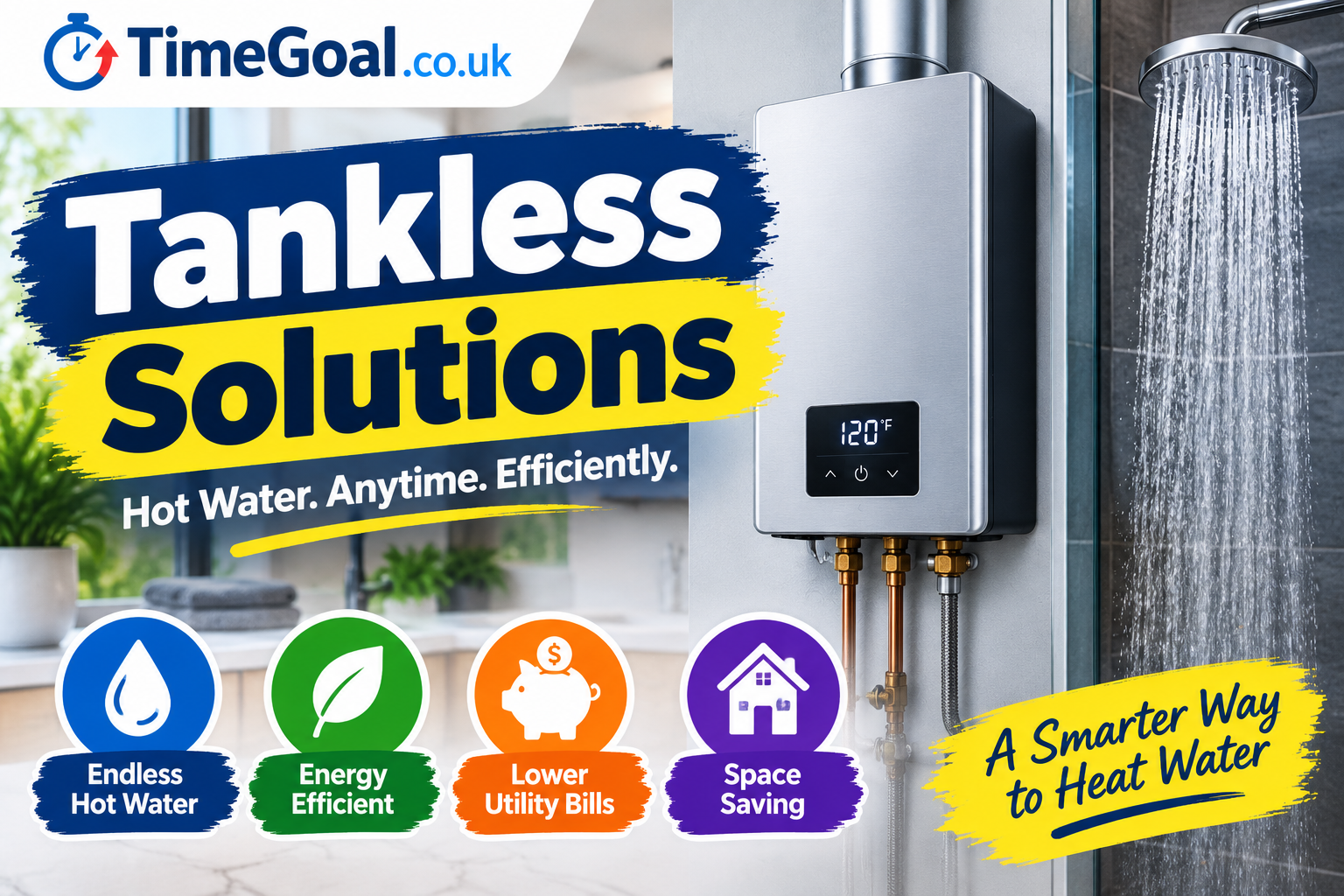
Hot water is an essential part of everyday life, from taking a refreshing shower to washing dishes and cleaning the home. However, traditional water heaters can consume considerable energy by continuously heating and storing water in a tank. This is where Tankless Solutions offer a modern alternative, providing hot water when it is needed without relying on a large storage tank.
Tankless water heating systems have become increasingly popular among homeowners, landlords and businesses seeking greater energy efficiency, space savings and reliable performance. By heating water as it flows through the unit, these systems can reduce unnecessary energy consumption and offer a convenient way to meet daily hot water demands.
Understanding how tankless technology works, its benefits, potential drawbacks and maintenance requirements can help you decide whether it is suitable for your property. This guide explores the essential features of tankless solutions and explains how to choose an option that meets your household’s needs.
What Are Tankless Solutions?
Tankless solutions are water heating systems that heat water directly as it passes through the appliance. Unlike conventional storage heaters, which keep a reservoir of hot water ready for use, tankless units operate when a hot water tap or appliance creates a demand.
When water begins flowing through the system, a sensor activates the heating mechanism. Depending on the model, the unit uses electricity, natural gas or liquefied petroleum gas to raise the water temperature. The heated water then travels through the plumbing system to the required outlet.
How Tankless Water Heaters Work
The operating process is relatively straightforward.
- A household member opens a hot water tap or starts an appliance that requires hot water.
- The system detects water movement through the unit.
- The heating element or burner activates.
- Incoming water passes through a heat exchanger or heating chamber.
- The heated water flows to the selected tap, shower or appliance.
Once the demand stops, the heating process switches off. This helps prevent the continuous energy consumption associated with maintaining a large tank of stored hot water.
Types of Tankless Systems
Electric Tankless Water Heaters
Electric models use powerful heating elements to warm water as it passes through the unit. They are often compact, making them suitable for flats, smaller homes and individual outlets.
However, larger electric systems may require substantial electrical capacity. A qualified electrician should assess the property’s supply and wiring before installation.
Gas-Powered Tankless Water Heaters
Gas-powered systems use a burner to heat water through a heat exchanger. They can provide substantial hot water output and may suit larger households, depending on their capacity.
Proper ventilation, combustion air supply and gas connections are essential. Installation should be carried out by an appropriately qualified professional.
Point-of-Use Tankless Systems
Point-of-use units are installed close to a particular outlet, such as a kitchen sink or bathroom basin. They can reduce the delay associated with hot water travelling through long pipework.
These systems are particularly useful where only a small amount of hot water is required at a specific location.
Key Benefits of Tankless Solutions
Improved Energy Efficiency
One of the main advantages of tankless solutions is the potential to reduce energy waste. Traditional storage heaters lose some heat while keeping stored water warm, even when nobody is using it. This is commonly known as standby heat loss.
Tankless systems generally avoid this problem because they heat water on demand. The actual savings depend on the household’s water consumption, energy prices, appliance efficiency and installation quality.
For households that use hot water strategically, a well-selected tankless unit may help lower energy consumption.
Continuous Hot Water Supply
A storage tank contains a limited volume of heated water. Once that supply is depleted, users may need to wait for the tank to recover.
Tankless systems can continue heating water while demand remains within the unit’s rated capacity and operating limits. This makes them attractive for households that frequently shower, wash clothes and use kitchen appliances throughout the day.
However, continuous hot water does not mean unlimited flow. The system must be correctly sized to handle the number of outlets likely to operate simultaneously.
Space-Saving Design
Conventional water heaters can occupy valuable cupboard, utility-room or garage space. Tankless units are usually considerably smaller because they do not need a large storage cylinder.
This compact design can make a difference in smaller homes, flats and properties where storage space is limited.
Reduced Risk of Tank Leakage
Because tankless heaters do not store large quantities of water in a tank, they eliminate the risk of the storage cylinder itself leaking or rupturing.
Nevertheless, their pipework, valves, heat exchangers and connections can still develop leaks. Regular inspections remain important for safe and reliable operation.
Potentially Longer Service Life
Many tankless water heaters can last longer than conventional storage models when installed correctly and maintained according to the manufacturer’s instructions.
Their actual lifespan depends on water quality, usage, component quality and servicing. Mineral deposits, corrosion and neglected maintenance can shorten their useful life.
Are Tankless Solutions Suitable for Every Property?
Although tankless technology offers several advantages, it is not automatically the best choice for every household.
Assessing Household Water Demand
Before purchasing a system, consider how much hot water your household uses and how many outlets may operate at the same time.
For example, a family that regularly uses two showers while running a dishwasher may need a higher-capacity unit than a single occupant who mainly uses hot water for washing and occasional showers.
Understanding Flow Rate
Flow rate measures how much water a heater can deliver over a particular period, usually expressed in litres per minute.
The required flow rate depends on the number of outlets in use and the temperature rise needed to heat incoming water. Colder incoming water requires a greater temperature increase, which can reduce the flow rate available at the desired temperature.
A professional assessment can help establish whether a single unit or multiple units would provide suitable performance.
Considering Installation Requirements
Electric models may require upgraded wiring or a dedicated circuit. Gas models may need suitable ventilation, flue arrangements and gas supply capacity.
Existing plumbing may also require changes to achieve the best results. These factors should be considered before comparing purchase prices.
Potential Disadvantages to Consider
Higher Initial Costs
Tankless systems can cost more to purchase and install than some conventional water heaters. Electrical upgrades, gas-line modifications and ventilation work can increase the overall expense.
Although energy savings may help offset these costs, the payback period varies. Homeowners should compare the total installation price with realistic estimates of future energy consumption and maintenance.
Temperature Fluctuations
Some systems may experience temperature fluctuations when water demand changes suddenly or when the unit struggles to maintain the required output.
Correct sizing, suitable controls and professional installation can reduce these problems. Users should also check whether the selected model supports the desired combination of showers, taps and appliances.
Maintenance Requirements
Tankless water heaters are not maintenance-free. Hard water can cause mineral deposits to accumulate inside the heat exchanger, reducing performance and potentially damaging components.
The required maintenance schedule depends on the model and local water conditions. In areas with particularly hard water, more frequent descaling may be necessary.
How to Choose the Best Tankless Solutions
Selecting the right system requires more than choosing the smallest or cheapest appliance.
Compare Energy Sources
Start by identifying the energy sources available at your property. Electric models may be convenient where sufficient electrical capacity exists, while gas-powered models may be suitable where a reliable gas supply and appropriate ventilation are available.
Compare energy efficiency ratings, running costs, expected demand and installation requirements before making a decision.
Check Product Capacity
Review the manufacturer’s performance specifications carefully. Pay particular attention to the flow rate at the temperature rise relevant to your location.
Avoid selecting a unit solely because its advertised output appears impressive. Performance under real operating conditions is more important than a headline figure.
Evaluate Warranty and Support
A good warranty can provide reassurance, but its terms should be examined carefully. Check the coverage for the heat exchanger, electronic controls and other components.
Also consider the availability of replacement parts, qualified service engineers and technical support. A system that is difficult to repair may create unnecessary expense later.
Consider Smart Controls
Some modern tankless heaters include digital temperature settings, diagnostic displays, programmable controls and remote monitoring.
These features can improve convenience and help users identify operating problems. However, advanced controls are not essential for every household, so compare their practical benefits against their additional cost.
Maintaining Tankless Water Heating Systems
Regular maintenance helps protect performance, efficiency and reliability.
Schedule Routine Inspections
A qualified technician should inspect the system according to the manufacturer’s recommendations. Depending on the model, checks may include water connections, filters, heating components, ventilation and safety controls.
Gas appliances should receive particular attention to combustion safety and flue condition.
Manage Mineral Build-Up
Where hard water is present, mineral deposits can restrict water flow and reduce heat transfer. Descaling or flushing may be required at intervals specified by the manufacturer.
Some properties may benefit from suitable water-treatment equipment. The correct approach depends on local water conditions and the heater’s design.
Recognise Warning Signs
Watch for inconsistent water temperatures, reduced flow, unusual noises, error codes or unexpected increases in energy use.
These symptoms may indicate a maintenance issue or a problem with the water supply. If you suspect a gas leak or unsafe combustion, stop using the appliance if it is safe to do so, leave the affected area and contact the appropriate emergency service or qualified professional.
Environmental Benefits of Tankless Solutions
Tankless solutions may support more efficient energy use by avoiding the need to maintain a large volume of stored hot water. Lower energy consumption can also reduce associated greenhouse gas emissions, depending on the energy source.
However, environmental performance varies between systems. Electric models supplied by low-carbon electricity may have different emissions characteristics from gas-powered units.
Consumers should consider the appliance’s efficiency, expected lifespan, repairability and the environmental impact of the energy used to operate it. Replacing a functioning heater solely for environmental reasons may not always deliver immediate overall benefits.
The Future of Tankless Water Heating
Water heating technology continues to develop, with manufacturers focusing on improved controls, more efficient heat exchangers, better diagnostics and easier servicing.
Smart-home integration may allow some systems to provide usage information and help homeowners monitor performance. Hybrid approaches and heat-pump water heaters also offer alternatives for properties seeking to reduce energy consumption.
As energy prices and environmental priorities change, choosing a water heating system based on long-term operating costs rather than purchase price alone is becoming increasingly important.
Conclusion
Tankless Solutions provide a modern approach to domestic and commercial water heating by delivering hot water on demand. Their compact design, reduced standby heat loss and potential for continuous hot water make them an appealing alternative to traditional storage systems.
Nevertheless, the right choice depends on household demand, installation requirements, water quality, energy prices and maintenance needs. A poorly sized system may struggle to meet demand, while an expensive installation may take longer than expected to deliver financial savings.
By comparing suitable models, assessing the property’s energy supply and arranging professional installation, homeowners can make an informed decision. With proper care and realistic expectations, a tankless water heater can provide an efficient and convenient hot water solution for many years. TimeGoal
1. What are tankless solutions?
Tankless solutions are water heating systems that heat water on demand rather than storing it in a large tank. They provide hot water when a tap or appliance requires it and can help reduce standby heat loss, save space and improve energy efficiency.
2. Are tankless water heaters more energy-efficient than traditional water heaters?
Tankless water heaters can be more energy-efficient because they do not continuously heat stored water. However, actual savings depend on household usage, the appliance’s efficiency, energy prices and installation quality.
3. How long do tankless water heaters last?
Many tankless water heaters can last around 15 to 20 years or longer with appropriate installation and maintenance. Their lifespan depends on water quality, usage, servicing and the quality of the components.
4. Can a tankless water heater provide hot water to an entire house?
Yes, a suitably sized tankless water heater can supply hot water throughout a house. The system must have sufficient capacity to meet simultaneous demand from showers, taps and appliances, particularly during colder weather.
5. Do tankless solutions save money?
Tankless solutions may reduce energy bills by avoiding standby heat loss. However, initial purchase and installation costs can be higher than those of conventional systems. The overall savings depend on energy prices, household consumption and maintenance expenses.
6. What is the difference between electric and gas tankless water heaters?
Electric tankless water heaters use electrical heating elements, while gas models use a burner to heat water. Electric systems may be easier to install where sufficient electrical capacity exists, whereas gas systems require suitable gas connections and ventilation. The best option depends on the property’s infrastructure and hot water requirements.
7. Do tankless water heaters work in cold climates?
Yes, tankless water heaters can work in cold climates. However, colder incoming water requires a greater temperature increase, which can reduce the volume of hot water delivered per minute. Choosing a system with suitable capacity is essential.
8. How often should a tankless water heater be maintained?
Maintenance frequency depends on the manufacturer’s instructions, water hardness and usage. Many systems benefit from regular inspections and periodic descaling, particularly in areas with hard water. Professional servicing helps maintain efficiency and identify potential problems.
9. Are tankless water heaters environmentally friendly?
Tankless water heaters can reduce energy waste by heating water only when needed. Their environmental impact depends on the energy source, efficiency, maintenance and lifespan. Electric models using low-carbon electricity may offer additional environmental benefits.
10. How do I choose the best tankless solutions for my home?
To choose the best tankless solutions, assess your household’s hot water demand, available energy supply, required flow rate and installation costs. Compare efficiency ratings, warranties, maintenance requirements and product specifications. Consulting a qualified installer can help you select a system that meets your needs.
11. Can tankless water heaters run out of hot water?
Tankless water heaters do not store a limited volume of hot water like conventional tanks. They can continue heating water while demand remains within their operating capacity. However, excessive simultaneous demand may reduce the available flow rate or prevent the system from delivering water at the desired temperature.
12. Are tankless solutions worth the investment?
Tankless solutions may be worthwhile for households that value space savings, on-demand hot water and potentially lower energy consumption. Before investing, compare the installation cost, expected energy savings and maintenance requirements with those of a conventional water heater to determine which option offers the best long-term value.
