

Introduction
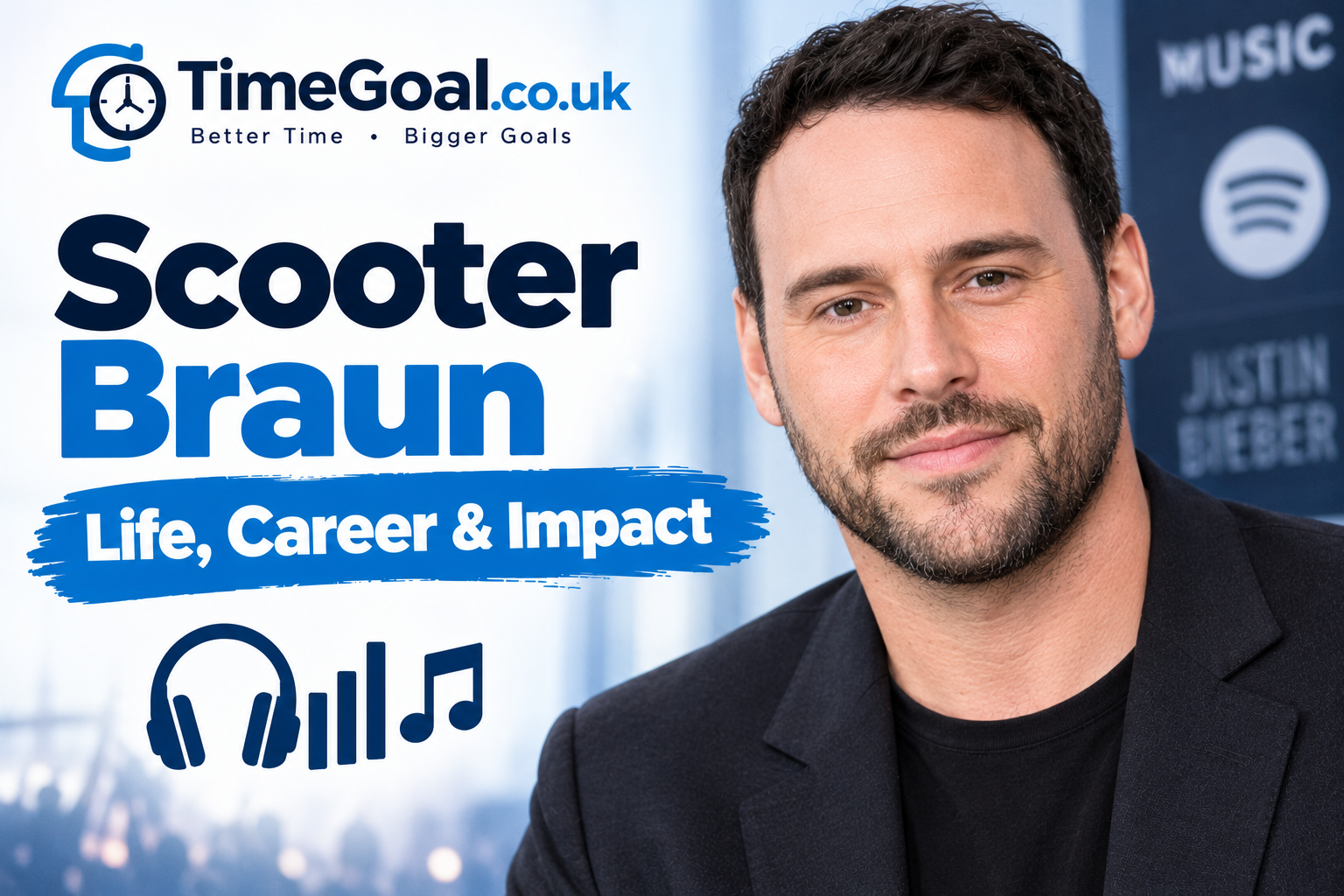
The Scooter Braun Controversy has become one of the most widely discussed topics in the modern music industry. Known for managing major artists, negotiating high-profile business deals and helping shape the careers of global superstars, Scooter Braun has built a reputation as both an influential music executive and a divisive public figure.
His career has attracted considerable attention because of his professional achievements, business decisions and highly publicised disagreements with artists. From the dispute involving Taylor Swift’s original master recordings to discussions about artist ownership and management relationships, Braun has frequently found himself at the centre of debates about power, fairness and control in the entertainment business.
However, understanding the controversy requires more than headlines and social media reactions. It involves examining the business arrangements, the perspectives of the people involved and the wider challenges artists face when negotiating ownership of their work.
This article explores the major events associated with the Scooter Braun Controversy, explains why they attracted so much attention and considers what they reveal about the relationship between artists, managers and record companies.
Who Is Scooter Braun?
Scooter Braun is an American music executive, entrepreneur and talent manager who became prominent after discovering Justin Bieber online in the late 2000s. He recognised Bieber’s potential and helped transform the young singer into an international pop sensation.
His Rise in the Music Industry
Braun went on to work with several major names in entertainment, building a management business that connected artists with recording opportunities, commercial partnerships and global audiences.
His professional network included artists such as Ariana Grande, Demi Lovato and Justin Bieber. His influence extended beyond traditional artist management into business investments and entertainment ventures.
Why Did He Become So Influential?
Braun developed a reputation for combining talent discovery with commercial strategy. His work demonstrated how online platforms, branding and strategic partnerships could help emerging performers reach enormous audiences.
Yet the same influence that contributed to his success also placed him under intense scrutiny. When disagreements arose between artists and the businesses connected to their careers, Braun’s name often became part of wider discussions about industry power.
The Taylor Swift and Scooter Braun Controversy
The most famous episode associated with the Scooter Braun Controversy began in 2019, when Braun’s company, Ithaca Holdings, acquired Big Machine Label Group.
Big Machine was the record label that had released Taylor Swift’s early albums. The acquisition brought the ownership of the master recordings of her first six studio albums under Braun’s business umbrella.
Why Taylor Swift Objected to the Deal
Swift publicly expressed frustration about the transaction. She argued that she had not been given the opportunity to purchase her original master recordings on terms she considered acceptable.
She also described a history of conflict with Braun and expressed concern about the prospect of him controlling recordings that represented years of her creative work.
For Swift, the dispute was about more than a financial asset. It involved artistic independence, ownership and the ability to determine how her music could be used commercially.
Braun’s Position and the Business Context
The acquisition was a business transaction involving the purchase of a record company and its assets. Braun’s supporters pointed to the commercial nature of such deals, in which ownership of master recordings may transfer when a label is sold.
The disagreement highlighted an important distinction: an artist can write and perform a song without necessarily owning the master recording of that performance.
The songwriter’s rights and the ownership of a particular recording are separate matters. Their precise division depends on contracts, copyright arrangements and applicable law.
Why the Dispute Became a Global Talking Point
Swift had a substantial international following, and her public statements encouraged fans to examine the ownership structures behind popular music.
The dispute also arrived at a time when musicians were increasingly discussing royalty payments, recording contracts and the long-term value of their creative output.
As a result, the controversy became a broader conversation about whether artists should have greater control over the commercial products they create.
The Sale of Taylor Swift’s Master Recordings
The controversy developed further when the master recordings were subsequently sold to Shamrock Capital in 2020.
Swift later announced that she had purchased the rights to her original masters in 2025, bringing a significant chapter of the dispute to a close from her perspective.
The Importance of Re-Recording Her Albums
In response to the original ownership dispute, Swift began releasing re-recorded versions of her earlier albums under the Taylor’s Version branding.
These releases allowed her to create new master recordings of songs from her earlier catalogue. They also offered fans an alternative to the original recordings and demonstrated how re-recording could become a commercial strategy.
What the Strategy Meant for Other Artists
Swift’s approach brought attention to the importance of contractual provisions, recording ownership and re-recording restrictions.
Although not every artist has the resources or audience required to pursue the same strategy, the situation encouraged musicians to ask more detailed questions before signing recording agreements.
It also showed that artists may use their popularity and direct relationships with fans to influence the commercial value of competing recordings.
Other Artists and Questions About Management
The Scooter Braun Controversy has not been limited to Taylor Swift. His professional relationships with other performers have also attracted public interest, particularly when artists’ management arrangements changed.
Ariana Grande and Professional Changes
Braun’s management company was associated with Ariana Grande during a significant period of her career. As management relationships evolve, changes in representation can prompt speculation about the reasons behind them.
However, a professional departure does not automatically establish that a serious dispute occurred. Management arrangements can change because of shifting career priorities, business restructuring or an artist’s preference for a different professional team.
Justin Bieber’s Longstanding Connection with Braun
Braun played an important role in Bieber’s discovery and early development as a recording artist. Their professional relationship helped establish Braun’s reputation as a powerful manager.
Their association also illustrates the complexity of long-term management relationships. A manager may become involved in commercial negotiations, career planning and personal development, making the relationship considerably more complicated than a conventional business arrangement.
It is important to distinguish documented events from online speculation when discussing any private or professional relationship.
The Wider Debate About Artist Ownership
One reason the Scooter Braun Controversy remains significant is that it reflects longstanding tensions between creative professionals and the companies that finance, distribute and market their work.
Who Owns the Music?
Many listeners assume that the singer automatically owns every recording they release. In reality, ownership depends on the agreements made between artists, record labels, producers and other rights holders.
A record label may finance recording sessions, provide marketing support and distribute music in exchange for ownership or licensing rights. These arrangements can generate substantial returns, but they can also limit an artist’s control over recordings.
Why Contract Negotiations Matter
Artists who understand their contracts are better positioned to negotiate ownership, royalty structures and future options.
Key Issues Artists Should Consider
- Master ownership: Who owns the original sound recording?
- Royalty payments: How are earnings calculated and distributed?
- Licensing rights: Who can authorise the use of a recording?
- Re-recording restrictions: When can an artist create a new version?
- Contract duration: How long do the relevant obligations remain in force?
These issues are not unique to Braun or Swift. They are central to the economics of recorded music and can affect performers at different stages of their careers.
Public Reaction and the Role of Social Media
Social media played a major role in turning the Scooter Braun Controversy into an international discussion.
Swift’s supporters viewed the dispute as an example of an artist seeking control over her creative legacy. Others approached it primarily as a commercial disagreement involving the purchase and sale of music rights.
How Online Narratives Shape Public Opinion
Platforms such as Instagram, X and TikTok allow fans to react immediately to statements made by celebrities. This can increase awareness of important issues, but it can also encourage oversimplification.
Business transactions often involve contracts, negotiations and legal distinctions that cannot be fully explained in a short post. As a result, online discussions may focus on personalities rather than the underlying commercial arrangements.
Separating Facts from Speculation
A balanced understanding of the controversy requires attention to verified events, public statements and the distinction between documented disagreements and unconfirmed claims.
Criticism of a business decision does not establish every allegation made about the people involved. Equally, the commercial legality of a transaction does not mean that every affected artist must consider it fair.
Both points are important when evaluating disputes in the entertainment industry.
Scooter Braun’s Career After the Controversy
The public debate surrounding Braun continued as his professional responsibilities evolved. In June 2024, he announced that he was stepping away from music management after approximately 23 years in the role.
His Move Towards Executive Leadership
Braun said he intended to concentrate on his responsibilities at HYBE, the South Korean entertainment company, including his position as chief executive of HYBE America. He also referred to personal priorities and spending more time with his children.
His announcement followed widespread speculation about changes involving several artists previously associated with his management business. Nevertheless, individual management changes should not automatically be interpreted as evidence of a single dispute or a direct consequence of the Taylor Swift controversy.
His Reaction to Taylor Swift Regaining Her Masters
In May 2025, Swift announced that she had purchased the master recordings of her first six albums from Shamrock Capital. The acquisition gave her control of the original recordings that had been at the centre of the dispute.
Braun publicly responded by saying that he was happy for Swift. In a subsequent interview in June 2025, he discussed his reaction to the original disagreement and said he had been shocked by her response to the 2019 acquisition.
These developments demonstrated that the controversy had continued to shape public discussion of Braun’s career, even after the original recordings changed hands.
What the Scooter Braun Controversy Means for the Music Industry
The controversy offers several important lessons for performers, managers and aspiring musicians.
Creative Control Is a Valuable Asset
Artists invest years of effort in developing their music, public identity and relationship with their audiences. Ownership arrangements can determine how that work is licensed, marketed and monetised long after an album’s release.
Musicians should therefore understand the difference between earning royalties and owning the recordings that generate those royalties.
Business Deals Can Have Lasting Consequences
A transaction that makes commercial sense to one party may create serious concerns for another. The Swift dispute demonstrated how the sale of a record label can become a major public issue when the assets include recordings closely associated with a particular artist’s identity.
The Importance of Independent Legal Advice
Artists should consider obtaining independent legal advice before signing recording, management or licensing agreements. Clear contractual terms can help prevent misunderstandings about ownership, payment, creative control and future rights.
The experience also highlights the importance of transparency and communication when businesses acquire valuable creative assets.
Frequently Asked Questions About the Scooter Braun Controversy
1. What is the Scooter Braun Controversy about?
The controversy mainly concerns Braun’s company’s 2019 acquisition of Big Machine Label Group, which included the master recordings of Taylor Swift’s first six albums. Swift objected to the transaction and raised concerns about control over her music.
2. Why was Taylor Swift unhappy with Scooter Braun?
Swift publicly criticised Braun following the acquisition, referring to their history of conflict and her concerns about his ownership of her original recordings. The disagreement developed into a wider debate about artists’ rights and music ownership.
3. Does Scooter Braun still own Taylor Swift’s original masters?
No. Swift announced in May 2025 that she had purchased the master recordings of her first six albums from Shamrock Capital, regaining control of those original recordings.
4. Why did Taylor Swift release Taylor’s Version albums?
Swift released re-recorded versions of her earlier albums to create new master recordings that she could own. The project also gave fans an alternative to the original recordings during the ownership dispute.
5. Is Scooter Braun still a music manager?
In June 2024, Braun announced that he was stepping away from music management after approximately 23 years. He said he would focus on his executive responsibilities at HYBE and his family.
6. What can musicians learn from this controversy?
Musicians can learn the importance of understanding recording contracts, negotiating ownership rights, seeking independent legal advice and considering the long-term commercial value of their work.
Conclusion
The Scooter Braun Controversy became much more than a disagreement between a music executive and a global superstar. It highlighted fundamental questions about creative ownership, business power and the rights artists retain throughout their careers.
The dispute surrounding Taylor Swift’s master recordings brought these issues to a worldwide audience and encouraged musicians and fans to examine the business structures behind the music they love.
Swift’s successful purchase of her original masters in 2025 marked a significant development in the story. Meanwhile, Braun’s move away from day-to-day music management reflected a change in his professional priorities.
Ultimately, the controversy demonstrates why ownership, communication and transparent contracts matter in the entertainment industry. Its lasting significance lies not simply in the personalities involved, but in the wider lessons it offers about protecting creative work in a commercially driven business. TemeGoal
