

Introduction
In a world filled with mobile phones, video games and digital entertainment, encouraging children to develop a love of reading has become more important than ever. Kids Magazines offer an enjoyable way to introduce young readers to stories, fascinating facts, creative activities and educational adventures. Unlike traditional textbooks, children’s magazines combine colourful illustrations, engaging articles and interactive features to make learning feel exciting rather than like a school assignment.
Whether a child enjoys animals, science, nature, puzzles, fairy tales or adventure stories, there is a magazine to match almost every interest. These publications can help children improve their reading skills, expand their vocabulary and discover new hobbies while enjoying their free time.
Parents, teachers and carers can use children’s magazines to create positive reading habits from an early age. By choosing age-appropriate publications that reflect a child’s interests, adults can make reading a regular and rewarding part of everyday life.
What Are Kids Magazines?
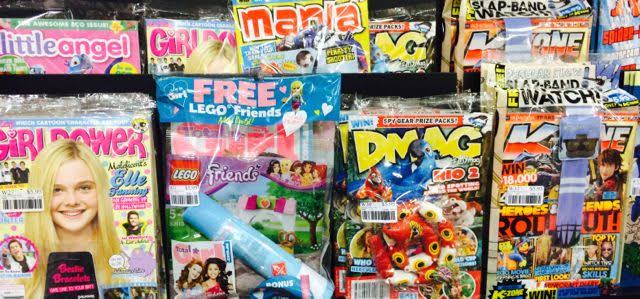
Kids magazines are publications created specifically for children at different stages of their development. They usually feature age-appropriate language, attractive artwork, short articles, stories, puzzles, quizzes and practical activities.
Some magazines focus on education, while others concentrate on entertainment, creativity, wildlife, technology or popular fictional characters. Many combine several subjects to keep young readers interested.
Different Types of Children’s Magazines
There are several categories of children’s magazines, each offering a different reading experience.
Educational Magazines
Educational magazines introduce children to subjects such as mathematics, history, geography, science and general knowledge. They explain complicated ideas through simple language, illustrations and relatable examples.
These publications can complement school lessons by helping children explore topics beyond the classroom. For example, a magazine about space might explain how planets move, why the Moon changes appearance and how astronauts prepare for missions.
Story and Adventure Magazines
Story-based magazines feature short fiction, imaginative adventures, mysteries, jokes and character-driven narratives. They are particularly appealing to children who enjoy discovering what happens next.
Regular exposure to stories can help young readers understand characters, recognise different emotions and develop their imagination.
Nature and Wildlife Magazines
Nature magazines introduce children to animals, plants, oceans, forests and environmental issues. They can encourage curiosity about the natural world and teach young readers why wildlife conservation matters.
Photographs, animal facts and outdoor activities may inspire children to observe birds, grow plants or explore their local surroundings.
Puzzle and Activity Magazines
Puzzle magazines include crosswords, word searches, mazes, spot-the-difference challenges, drawing activities and brain teasers. These features make reading more interactive and encourage children to solve problems independently.
Benefits of Kids Magazines for Learning and Development
Children’s magazines provide more than entertainment. When chosen carefully, they can support several important areas of learning and personal development.
Improving Reading and Vocabulary
Regular reading exposes children to new words, sentence structures and writing styles. Short articles are particularly helpful for children who find lengthy books overwhelming.
The variety of topics found in Kids Magazines also introduces vocabulary that children might not encounter in everyday conversations. Reading about dinosaurs, planets, cooking or different cultures can gradually broaden their understanding of language.
Parents can support this process by discussing unfamiliar words and encouraging children to explain what they have learnt.
Encouraging Curiosity and Independent Learning
Children naturally ask questions about the world around them. Magazines can turn these questions into opportunities for discovery.
An article about volcanoes might encourage a child to learn about the Earth’s structure, whilst a feature about insects could lead to an interest in gardening or biology.
Making Learning Enjoyable
Colourful layouts, interesting facts and interactive activities help present information in manageable sections. Children can explore subjects at their own pace and return to favourite articles whenever they wish.
This freedom encourages independent learning and helps children recognise that education can continue outside school.
Developing Creativity and Imagination
Many children’s magazines include drawing prompts, craft projects, fictional stories and writing challenges. These activities encourage children to express their ideas and experiment with different forms of creativity.
A simple activity, such as designing an imaginary animal or writing an alternative ending to a story, can help children develop original thinking.
Building Concentration and Problem-Solving Skills
Completing a puzzle or reading an article requires children to focus on a particular task. With regular practice, they may become more comfortable concentrating for longer periods.
Logic puzzles and quizzes also encourage children to examine clues, consider different possibilities and learn from mistakes.
Although magazines cannot replace broader educational activities, they can provide useful opportunities to practise these skills.
How to Choose the Best Kids Magazines
Choosing the right magazine depends on a child’s age, interests, reading ability and learning needs. The most expensive or popular publication is not necessarily the best choice.
Consider the Child’s Age
Magazines should match the reader’s developmental stage.
Magazines for Preschool Children
For children aged approximately three to five, look for large illustrations, simple words, short stories, counting activities and basic matching games. Publications with adult-supported activities can make reading a shared experience.
Magazines for Primary School Children
Children aged around six to eleven may enjoy more detailed stories, science experiments, animal facts, jokes, puzzles and creative challenges. At this stage, magazines can encourage independent reading whilst supporting classroom learning.
Magazines for Older Children
Readers aged twelve and above may prefer publications covering technology, science, sport, history, environmental issues and current interests. More detailed articles can help them develop research skills and evaluate information.
Age ranges are only guidelines. A child’s individual reading ability and interests should always influence the final decision.
Match the Magazine to Personal Interests
Children are more likely to read regularly when the subject genuinely interests them.
A child who loves animals might enjoy wildlife features, whilst a budding scientist may prefer experiments and discoveries. Children interested in drawing could benefit from art activities, comics or design challenges.
Allowing children to choose between suitable options can also give them a greater sense of independence.
Check Educational Value and Content Quality
Before subscribing, parents should review the magazine’s content, language, illustrations and activities.
Look for accurate information, clear explanations, positive messages and a sensible balance between entertainment and education. Publications should also respect children’s developmental needs and avoid inappropriate material.
Popular Topics Found in Kids Magazines
One reason children’s magazines remain appealing is the wide variety of subjects they cover.
Science, Technology and Space
Science-focused publications explain discoveries, inventions, robotics, astronomy and everyday scientific principles. Simple experiments can make these subjects easier to understand.
Parents should check that experiments include appropriate safety instructions and adult supervision where necessary.
Animals and the Environment
Wildlife features help children discover animal behaviour, habitats, endangered species and conservation. Environmental articles can introduce practical habits such as reducing waste, saving water and caring for plants.
Art, Crafts and Creative Writing
Creative magazines encourage children to draw, paint, make simple models, write stories and explore different artistic techniques. These activities provide alternatives to passive entertainment and can be enjoyed with family members.
Sport, Games and General Knowledge
Sports magazines introduce children to different games, athletes, teamwork and healthy participation. General knowledge publications cover geography, history, inventions, cultures and unusual facts.
This variety helps children explore new subjects whilst developing their existing interests.
Print Versus Digital Kids Magazines
Modern children’s magazines are available in printed and digital formats. Each option has advantages, so the right choice depends on family preferences and the child’s habits.
Advantages of Printed Magazines
Printed magazines provide a screen-free reading experience. Children can turn pages, complete puzzles with pencils, cut out permitted craft templates and revisit favourite articles without needing a device.
They are also convenient for quiet reading at home or during travel.
Advantages of Digital Magazines
Digital editions may include animations, audio, videos and interactive quizzes. They can also be convenient for families who prefer to store reading materials electronically.
However, parents should consider screen time, advertising, privacy and access to external content. Digital subscriptions should offer suitable parental controls and a safe reading environment.
Which Format Is Better?
Neither format is automatically superior. Printed magazines may suit children who enjoy hands-on activities, whilst digital editions may appeal to readers who appreciate interactive features.
The most important factors are content quality, accessibility and whether the child enjoys reading the publication.
Making Kids Magazines Part of Everyday Life
The benefits of children’s magazines increase when reading becomes a consistent habit rather than an occasional activity.
Create a Comfortable Reading Routine
Set aside ten to fifteen minutes each day for reading. A quiet corner, comfortable chair or family reading time can help children associate reading with relaxation and enjoyment.
Avoid turning every reading session into a test. Children should have opportunities to explore articles simply because they find them interesting.
Encourage Discussion and Participation
Ask children what they enjoyed, which fact surprised them or what they would like to learn next. These conversations help reinforce information and encourage communication skills.
You can also extend magazine activities into everyday life. An article about birds might inspire a garden observation activity, whilst a cooking feature could become a supervised family project.
Consider a Magazine Subscription
A subscription can provide a regular supply of fresh reading material throughout the year. Receiving a new issue may give children something to anticipate and encourage them to maintain their reading habits.
Before subscribing, compare publication frequency, delivery costs, renewal conditions and cancellation policies. Consider starting with a single issue to see whether the child enjoys the content.
Frequently Asked Questions About Kids Magazines
Are Kids Magazines Good for Children’s Education?
Yes. Well-chosen children’s magazines can support reading development, vocabulary, curiosity, creativity and general knowledge. They work best alongside books, classroom learning, conversation and practical experiences.
At What Age Can Children Start Reading Magazines?
Children can begin enjoying picture-led magazines at around three years old, with adult support. As they grow, they can progress towards longer articles, independent reading and more complex activities.
How Often Should Children Read Magazines?
There is no single ideal frequency. Reading for ten to fifteen minutes on several days each week can be a useful starting point. The aim is to develop an enjoyable and sustainable habit.
Are Free Kids Magazines Worth Reading?
Free magazines can be valuable if they contain accurate information, appropriate content and engaging activities. Parents should assess quality rather than assuming that paid publications are always better.
Can Kids Magazines Replace Books?
No. Magazines complement books rather than replace them. Books provide opportunities for sustained reading and deeper storytelling, whilst magazines offer variety, shorter articles and interactive activities.
Conclusion
Kids Magazines can play a valuable role in helping children develop a lifelong love of reading. By combining educational information, imaginative stories, puzzles and creative activities, they make learning accessible, enjoyable and relevant to young readers.
The best publication is one that matches a child’s age, interests and reading ability whilst offering accurate information and appropriate content. Parents can maximise the benefits by encouraging regular reading, discussing interesting discoveries and allowing children to explore subjects independently.
Whether in print or digital form, children’s magazines offer opportunities to discover new interests, strengthen essential skills and enjoy meaningful learning beyond the classroom. With the right choice and a little encouragement, a simple magazine can become the starting point for a lifetime of curiosity and discovery. TimeGoal
