

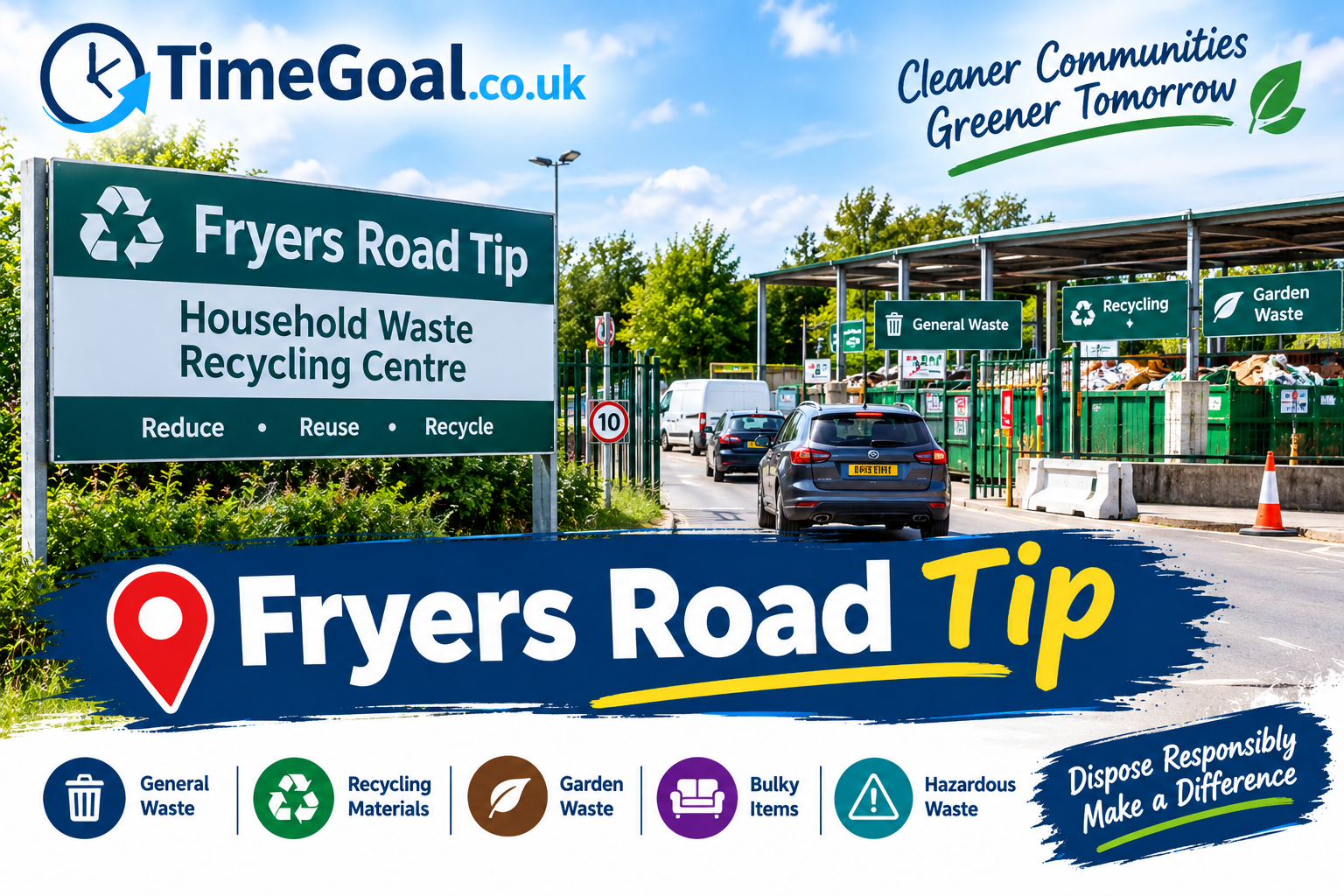
Fryers Road Tip is a useful search term for residents looking for a convenient way to dispose of household rubbish, recycle unwanted items and keep their local environment clean. Whether you are clearing out your garage, tidying your garden, renovating a room or preparing for a house move, understanding how a local waste recycling centre works can make the entire process easier.
Before visiting Fryers Road Tip, it is important to check the centre’s current location details, opening times, accepted materials and any restrictions that may apply to your vehicle. Planning ahead can save time, prevent unnecessary journeys and help ensure that waste is disposed of responsibly.
This guide explains what to consider before visiting, how to prepare your rubbish, which materials may be suitable for recycling and how to make the most of your trip.
What Is Fryers Road Tip?
Fryers Road Tip is a name people may use when searching for a local tip or household waste disposal facility associated with Fryers Road. Such facilities are commonly known as household waste recycling centres, recycling centres or civic amenity sites in the UK.
These centres provide designated areas where eligible residents can take certain types of household waste that cannot easily be collected through ordinary kerbside services.
However, the precise operator, address and current facilities associated with Fryers Road Tip should be confirmed before travelling. Similar place names can cause confusion, and not every waste facility accepts the same materials or vehicles.
Why Do Local Recycling Centres Matter?
Household recycling centres play an important role in managing everyday waste. They provide residents with an alternative to placing bulky or unsuitable items in ordinary rubbish bins.
When waste is separated correctly, suitable materials can be recovered and processed rather than sent directly to landfill or another disposal route.
Common reasons for visiting a tip include:
- Clearing out cupboards, lofts and garages.
- Disposing of unwanted furniture and household objects.
- Taking garden waste for appropriate processing.
- Getting rid of certain electrical appliances.
- Managing waste produced by minor home improvement projects.
Using an authorised facility also helps discourage fly-tipping, which can damage local landscapes, harm wildlife and create additional costs for councils and communities.
Fryers Road Tip Opening Times and Visiting Information
Opening times are among the most important details to check before setting off. Waste recycling centres may operate different schedules depending on the season, day of the week, public holidays and local authority arrangements.
Some centres open earlier during the summer months and reduce their hours during winter. Others may have specific last-entry times or temporary closures for maintenance.
How to Check Opening Hours
Before visiting Fryers Road Tip, confirm the current operating hours with the responsible council or site operator.
Check the following details:
- The opening and closing times for your chosen day.
- Whether the centre operates on Sundays or bank holidays.
- The latest permitted arrival time.
- Whether an appointment or booking is required.
- Whether temporary closures or service changes have been announced.
Why Checking Ahead Is Important
Arriving shortly before closing can leave insufficient time to unload and separate your rubbish. A centre may stop admitting vehicles before its advertised closing time, so it is sensible to arrive with plenty of time available.
If you are travelling with a large load, allow additional time to sort materials and follow the site’s instructions.
What Types of Waste Can You Take to Fryers Road Tip?
The types of waste accepted at a recycling centre depend on its facilities and the rules established by the local authority. Checking the accepted materials list before travelling is particularly important if you have unusual, hazardous or unusually large items.
1. General Household Waste
General household waste includes everyday items that cannot be reused or recycled through the available facilities.
Examples may include broken household objects, damaged plastic items and other non-recyclable rubbish. However, reusable or recyclable materials should be separated wherever possible.
2. Garden Waste
Garden clearances often produce substantial quantities of unwanted material. Depending on the site’s facilities, accepted garden waste may include grass cuttings, leaves, weeds, small branches and hedge trimmings.
Preparing Garden Waste
Separate garden waste from soil, stones, plastic pots and general rubbish. Keep it as free from contamination as possible so it can be processed appropriately.
Large tree trunks, invasive plants and substantial quantities of soil may be subject to different rules.
3. Furniture and Bulky Items
Old sofas, chairs, tables, wardrobes and shelving can take up considerable space in household bins. Recycling centres may provide designated areas for furniture and other bulky household objects.
Before transporting furniture, consider whether it can be repaired, sold or donated. Reusable items may benefit another household and reduce the amount of waste requiring disposal.
4. Electrical Appliances
Electrical equipment should not automatically be placed in general rubbish. Many appliances contain materials that can be recovered through specialist recycling processes.
Items may include kettles, toasters, computers, televisions and vacuum cleaners, depending on the centre’s arrangements.
Handling Electrical Waste Safely
Remove loose accessories where appropriate and keep electrical items separate from other rubbish. Do not dismantle appliances unnecessarily, particularly where batteries or electrical components could create a safety risk.
5. Wood, Metal and Building Waste
Some recycling centres accept clean wood, scrap metal, bricks, rubble and other materials from small household projects. Acceptance limits vary considerably.
Commercial construction waste and waste produced by tradespeople may be treated differently from waste generated by residents completing their own home improvements.
Always confirm the rules before loading a vehicle with heavy materials.
Do You Need to Book a Visit?
Some household waste recycling centres operate appointment systems, while others allow eligible residents to arrive without booking. The arrangements can vary between councils and may change over time.
Vehicle Restrictions and Resident Eligibility
A centre may restrict access to certain vehicles, including vans, trailers and larger vehicles. Some sites require permits for particular vehicle types, while others apply additional conditions to commercial-looking loads.
You may also need to demonstrate that you live within the authority’s service area.
Documents to Prepare
Depending on local rules, you may be asked to provide proof of address, a vehicle registration number or a booking confirmation.
Check the requirements before leaving home. Do not assume that permission to use one recycling centre automatically applies to another.
How to Prepare for a Trip to Fryers Road Tip
A little preparation can make your visit quicker and safer.
Sort Your Waste Before Leaving
Separate items into manageable groups, such as metal, wood, garden waste, electrical equipment and general rubbish. This makes unloading easier and helps prevent recyclable materials from becoming contaminated.
Place items in your vehicle in a sensible order, keeping heavier objects secure and allowing easy access to anything that may need to be removed first.
Choose the Right Vehicle
A car may be sufficient for a few bags of rubbish, while a larger load may require a suitable vehicle or several trips. Ensure that all waste is securely contained and cannot fall onto the road.
Never overload your vehicle or allow rubbish to obstruct the driver’s view.
Follow Site Instructions
When you arrive, observe signs, speed limits and instructions from site staff. Use the designated containers for each material and ask for assistance if you are unsure where an item belongs.
Wear suitable footwear and take care when lifting heavy or awkward objects. Ask someone to help with bulky items rather than risking an injury.
What Should You Not Take to a Household Tip?
Not every item of waste can be accepted through an ordinary household recycling centre.
Hazardous and Restricted Materials
Chemicals, certain paints, asbestos, gas cylinders, clinical waste and some vehicle-related materials may require specialist disposal arrangements. Batteries also need appropriate handling because damaged or incorrectly stored batteries can cause fires.
Never mix hazardous substances with ordinary household rubbish or pour chemicals into drains.
Check Before Transporting Restricted Waste
Contact the site operator before taking potentially hazardous materials to Fryers Road Tip. You will need to establish whether the facility accepts the specific item and whether special packaging, booking or alternative disposal arrangements are required.
If a material is not accepted, use an authorised service that is equipped to handle it safely.
Environmentally Friendly Alternatives to Using the Tip
Taking waste to a recycling centre is useful, but it is not always the best first option. Reusing, repairing and donating items can reduce unnecessary disposal.
Donate or Sell Usable Items
Furniture, clothing, books, toys and household equipment in good condition may be suitable for donation or resale. Check that electrical items are safe and that donated goods meet the receiving organisation’s requirements.
Use Household Recycling Collections
Paper, cardboard, glass bottles, metal cans and suitable plastic packaging may be collected through local kerbside services. Collection rules differ by council, so check which materials belong in each bin.
Reduce Waste at Home
Buy only what you need, choose products with less packaging and repair items when practical. Composting suitable garden waste at home can also reduce the volume transported to a recycling centre.
These small changes help conserve resources and reduce the environmental impact of household waste.
Frequently Asked Questions About Fryers Road Tip
Where is Fryers Road Tip located?
The exact address and operator should be verified before travelling, as the name alone may not identify the intended waste facility conclusively. Check the relevant council’s information to confirm the correct location.
What are the opening times for Fryers Road Tip?
Opening times depend on the facility’s operating arrangements and may vary seasonally. Check the latest official information before setting off, especially on weekends and public holidays.
Can I take garden waste to Fryers Road Tip?
Many household recycling centres accept garden waste, including leaves, grass cuttings and small branches. However, accepted materials and quantity restrictions vary, so confirm the site’s rules first.
Do I need to book before visiting?
Some centres require advance bookings, while others permit walk-in visits. Vehicle restrictions and resident eligibility requirements may also apply.
Can I take a van or trailer?
Van and trailer access depends on the individual facility. You may need a permit or booking, and some vehicle types may not be permitted at all.
Is it free to use Fryers Road Tip?
Eligible residents can often dispose of permitted household waste without paying a gate fee. Charges or special conditions may apply to particular materials, services or waste categories, so check the current local arrangements.
Conclusion
Fryers Road Tip is a useful search term for anyone looking for practical household waste disposal and recycling information. Whether you are clearing your garden, removing unwanted furniture or sorting rubbish after a home improvement project, preparing properly can make the process more convenient.
Before visiting, confirm the exact location, opening times, accepted materials, booking requirements and vehicle restrictions. Separate recyclable items, secure your load and follow the instructions provided by site staff.
Most importantly, consider reusing or donating suitable items before disposing of them. By making responsible choices and using authorised waste facilities, households can reduce unnecessary rubbish, protect the local environment and support more sustainable waste management. TimeGoal
