

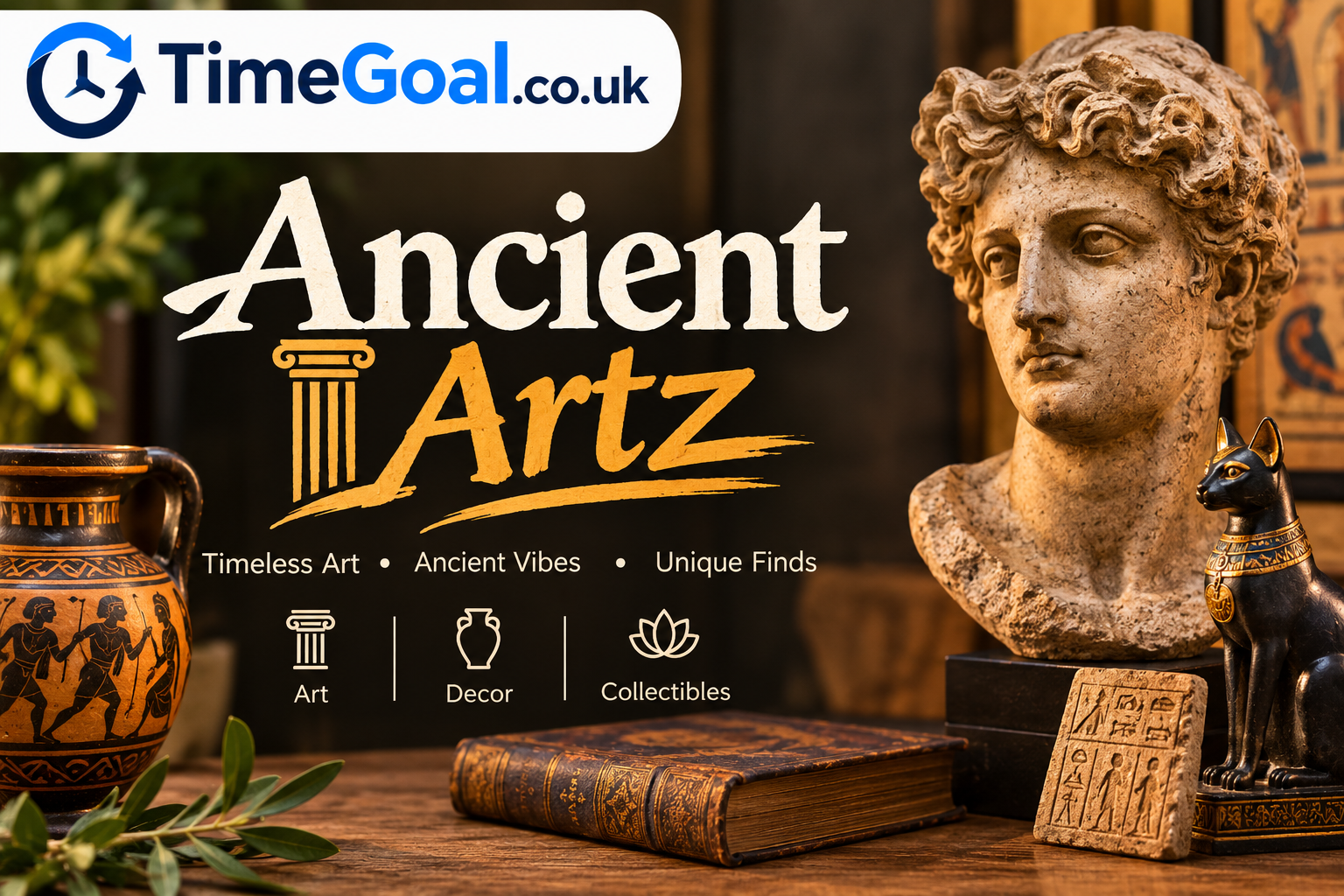
Introduction to Ancient Artz
Ancient art has played an essential role in shaping human civilisation, preserving cultural traditions and expressing the ideas of societies across thousands of years. From detailed Egyptian paintings to impressive Greek sculptures and mysterious prehistoric cave drawings, artistic creations offer a fascinating glimpse into the lives of people who lived long before the modern world emerged. The term Ancient Artz can be used to explore this broad world of historical creativity, including the techniques, symbols, materials and cultural beliefs that influenced early artistic expression.
Ancient art was not created purely for decoration. It often served religious, political, educational and social purposes. Artists recorded important events, honoured rulers, represented gods and goddesses, and communicated stories to communities that did not have access to widespread written information.
Understanding Ancient Artz helps us appreciate how creativity developed throughout history and why traditional artistic practices continue to inspire designers, artists, architects and historians today.
What Is Ancient Artz?
Ancient Artz refers to the artistic traditions and creative achievements of early civilisations. These include paintings, sculptures, pottery, jewellery, architecture, decorative objects and other visual works produced by historical communities.
Although the precise meaning of the term may vary depending on its context, it provides a useful way to discuss ancient artistic heritage and the cultural significance of early creative practices.
The Main Characteristics of Ancient Art
Ancient artworks often display several distinctive characteristics.
- Cultural symbolism: Images and patterns frequently represented religious beliefs, social positions or traditional stories.
- Natural materials: Artists used stone, clay, wood, metals, minerals and plant-based pigments.
- Religious influences: Many works were created for temples, burial sites, ceremonies and spiritual practices.
- Practical purposes: Pottery, textiles, jewellery and decorated tools combined usefulness with artistic design.
- Distinctive techniques: Different civilisations developed their own methods of carving, painting, casting and construction.
These characteristics demonstrate that ancient artists were skilled observers and innovators who adapted their materials and techniques to suit their surroundings.
The Origins and Development of Ancient Artz
Prehistoric Art and Early Human Creativity
The history of art stretches back tens of thousands of years. Prehistoric communities created images of animals, human figures and abstract symbols on cave walls and rock surfaces. Some of the best-known examples of prehistoric cave art are found in Europe, including the caves of Lascaux in France.
These paintings demonstrate an impressive understanding of animal movement, shape and proportion. Artists used natural pigments, including mineral-based colours, to create images that have survived for thousands of years.
Prehistoric art also included carved figurines, engraved objects and decorated tools. Although researchers continue to debate the precise purposes of particular works, these discoveries show that symbolic expression was an important part of early human life.
Art in the First Civilisations
As agricultural communities developed into organised settlements, artistic traditions became more varied and sophisticated.
The growth of cities, trade networks, religious institutions and political systems created new opportunities for artists. They produced elaborate buildings, ceremonial objects, monuments and images that communicated the power and identity of their communities.
Mesopotamia, ancient Egypt, the Indus Valley and early Chinese civilisation each developed distinctive artistic traditions. Their surviving objects reveal differences in religious beliefs, available resources, technical knowledge and social organisation.
Ancient Artz Across Different Civilisations
Ancient Egyptian Art
Ancient Egyptian art is recognised for its distinctive figures, symbolic colours and impressive monumental architecture. Artists created wall paintings, statues, jewellery, decorated coffins and objects intended for religious ceremonies.
Egyptian artworks frequently followed established conventions. Important figures were often shown larger than less powerful individuals, while human bodies could be represented using a combination of frontal and side views.
The Role of Symbols in Egyptian Art
Symbols were central to Egyptian artistic expression. The ankh represented life, while the scarab beetle was associated with renewal and transformation. Images of gods, pharaohs and protective figures communicated religious beliefs and ideas about the afterlife.
Tombs and temples preserved many of these works, allowing modern researchers to investigate ancient Egyptian society. Their artistic achievements also demonstrate advanced knowledge of construction, proportion and decorative design.
Ancient Greek Art
Ancient Greek artists explored the human body, movement, proportion and idealised beauty. Their sculptures developed from relatively rigid early forms towards increasingly naturalistic representations of people and athletes.
Greek pottery was another important artistic tradition. Painted vessels often depicted mythology, sporting competitions, everyday activities and scenes from warfare.
Greek Architecture and Sculpture
Greek architects developed recognisable column styles, including Doric, Ionic and Corinthian designs. These architectural traditions influenced buildings throughout the Mediterranean world and continue to appear in modern public architecture.
Greek sculpture also established important approaches to anatomy, balance and movement. Later Roman artists adopted and adapted many Greek artistic ideas, helping to preserve their influence across subsequent centuries.
Ancient Roman Art
Roman art combined practical design with impressive visual communication. Mosaics, frescoes, portrait busts, relief sculptures and monumental buildings formed important parts of Roman cultural life.
Roman artists frequently portrayed real individuals, including political leaders and wealthy citizens. Their portraits could emphasise age, experience, authority and personal identity.
Engineering and Artistic Achievement
Roman architecture demonstrated how artistic design could work alongside engineering. Arches, vaults and concrete construction enabled the development of amphitheatres, public baths, bridges and aqueducts.
The Colosseum remains a famous example of Roman architectural ambition. Roman mosaics and wall paintings also reveal details about domestic interiors, mythology and social customs.
Ancient Indian Art
Ancient Indian art developed through diverse religious, regional and cultural traditions. Sculpture, cave architecture, pottery, terracotta objects and monumental structures all contributed to its rich artistic heritage.
Buddhist stupas and carved reliefs communicated religious teachings and episodes from the life of the Buddha. Hindu artistic traditions later produced elaborate representations of deities, sacred narratives and cosmological ideas.
Spiritual Meaning in Indian Art
Religious symbolism played a major role in many Indian artistic traditions. Mudras, or symbolic hand gestures, communicated particular meanings in Buddhist and Hindu imagery.
Carved cave complexes, including those at Ajanta, preserve remarkable paintings and sculptures. These works demonstrate sophisticated craftsmanship and provide valuable evidence of historical religious practices, clothing, architecture and storytelling.
Ancient Chinese Art
Ancient Chinese art includes bronze vessels, jade carvings, ceramics, ritual objects, paintings and sculptures. Many early works were connected with ancestral worship, ceremonial activities and beliefs about authority.
Bronze casting reached impressive levels of sophistication during the Shang and Zhou dynasties. Decorated vessels could serve ritual purposes while displaying the status and technical capabilities of their owners.
Chinese artistic traditions also developed distinctive approaches to calligraphy, landscape representation and the relationship between humans and nature.
Ancient Mesopotamian Art
Mesopotamia, located largely within the region between the Tigris and Euphrates rivers, was home to several influential ancient societies.
Artists produced cylinder seals, carved reliefs, statues and decorated pottery. Cylinder seals were particularly useful because they could be rolled across clay to leave identifying images or patterns.
Reliefs frequently represented rulers, religious figures, military achievements and symbolic animals. Such works provide evidence of the political structures, spiritual beliefs and social hierarchies of early Mesopotamian communities.
Materials and Techniques Used in Ancient Artz
Natural Materials and Pigments
Ancient artists worked with the resources available in their environments. Stone was suitable for monuments and sculptures, while clay was widely used for pottery and small figurines.
Minerals, charcoal and other natural substances supplied pigments for paintings. Metals such as gold, copper, bronze and silver were shaped into jewellery, ceremonial objects and decorative features.
The durability of these materials partly explains why certain ancient artworks survive today, although many objects made from wood, textiles and other perishable substances have disappeared.
Traditional Artistic Methods
Carving, modelling, casting, engraving, painting and mosaic-making were among the techniques used by ancient craftspeople.
Artists often learnt their skills through observation, apprenticeship and established community traditions. Complex projects could involve numerous specialists working together under the direction of patrons, religious authorities or rulers.
These techniques demonstrate that ancient art required considerable planning, technical knowledge and patience.
Why Ancient Artz Remains Important Today
Ancient art continues to influence contemporary culture in numerous ways.
Inspiration for Modern Artists and Designers
Modern artists frequently draw inspiration from ancient patterns, sculptures, architecture and decorative traditions. Symmetrical forms, geometric designs, mythological subjects and classical columns remain visible in contemporary interiors, fashion, public monuments and graphic design.
Studying ancient art also encourages artists to experiment with materials and discover alternative approaches to visual storytelling.
Understanding Historical Civilisations
Art provides evidence about societies that may have left limited written records. Objects can reveal information about clothing, occupations, religious beliefs, trade, technology and everyday activities.
Archaeologists and historians examine artistic works alongside inscriptions, scientific analysis and archaeological discoveries to develop a more complete understanding of the past.
Preserving Cultural Heritage
Ancient artworks form an important part of humanity’s shared cultural heritage. Museums, conservation specialists and archaeological organisations work to protect these objects from deterioration, theft and environmental damage.
Preservation also requires respect for the communities connected to historical objects, particularly when questions arise about ownership, colonial-era collecting or the return of cultural treasures.
How to Appreciate Ancient Artz
Look Beyond Appearance
When examining an ancient artwork, consider its original purpose, the materials used and the society that produced it.
Ask who might have commissioned the object, who was intended to see it and what its symbols could have meant. These questions can reveal details that are not immediately obvious from its appearance.
Explore Museums and Archaeological Collections
Museums offer opportunities to study authentic historical objects and learn about their archaeological contexts. Exhibitions, educational programmes and carefully documented digital collections can help visitors compare artistic traditions from different regions.
It is also useful to distinguish verified historical information from modern interpretations, especially when an artwork’s original meaning remains uncertain.
Challenges in Preserving Ancient Art
Ancient artworks face numerous threats, including humidity, pollution, extreme temperatures, natural disasters, conflict and irresponsible tourism.
Some objects have also been damaged through inappropriate restoration or removed from their original settings. Conservation specialists must balance the need to protect fragile materials with the importance of preserving historical evidence.
Responsible preservation involves scientific research, careful documentation, suitable storage conditions and collaboration with local communities. Public education is equally important because awareness encourages people to value cultural heritage rather than treat ancient objects as ordinary decorations.
The Future of Ancient Artz
Digital technology is creating new ways to study and experience ancient art. High-resolution photography, three-dimensional scanning and virtual exhibitions can make important collections accessible to people who cannot visit museums in person.
Digital records can also help researchers document fragile objects and monitor changes over time. However, technology cannot replace the importance of protecting original artefacts, archaeological sites and the communities that maintain living cultural traditions.
The future of Ancient Artz depends on combining modern research methods with responsible conservation and a genuine respect for historical context.
Conclusion
Ancient Artz offers a fascinating perspective on the development of human creativity, from prehistoric cave paintings to the monumental achievements of ancient civilisations. Egyptian symbolism, Greek sculpture, Roman engineering, Indian religious art, Chinese bronze work and Mesopotamian reliefs all demonstrate the many ways people have expressed their beliefs, ambitions and identities.
These artistic traditions remain valuable because they connect the present with the past. They help researchers understand historical societies, inspire modern creative work and encourage the protection of cultural heritage.
By exploring ancient art with curiosity and respect, we can appreciate not only the beauty of surviving objects but also the knowledge, imagination and craftsmanship that made them possible. Ancient art is more than a record of earlier civilisations; it is a lasting expression of humanity’s desire to create, communicate and leave something meaningful for future generations.
Frequently Asked Questions About Ancient Artz
What does Ancient Artz mean?
Ancient Artz can refer to the broad study and appreciation of ancient artistic traditions, including paintings, sculptures, pottery, architecture and decorative objects from early civilisations.
What are the main types of ancient art?
The principal types include cave paintings, sculpture, pottery, jewellery, mosaics, wall paintings, relief carvings and monumental architecture.
Which civilisations produced famous ancient artworks?
Ancient Egypt, Greece, Rome, India, China and Mesopotamia produced many influential artistic works, while prehistoric communities created some of humanity’s earliest surviving images.
Why is ancient art important?
Ancient art helps us understand historical beliefs, customs, technology and social structures. It also influences contemporary architecture, design and artistic expression.
How can people learn more about Ancient Artz?
People can explore museum collections, visit archaeological sites, read reliable historical studies and examine educational resources that explain the cultural context of ancient objects. TimeGoal
