

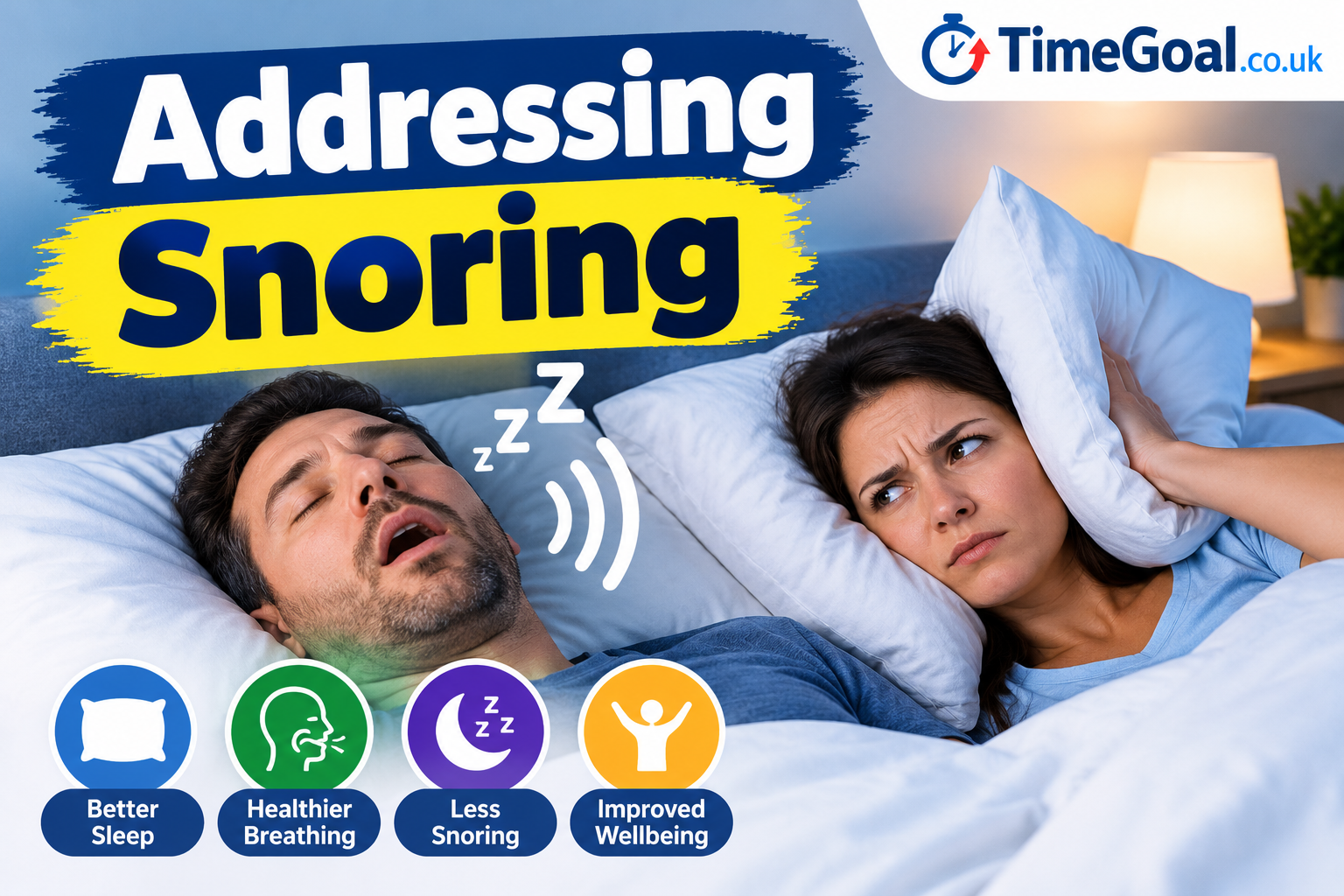
Snoring is a common sleep-related problem that affects millions of people across the world. Although it is often treated as a harmless habit, persistent snoring can disturb a partner’s sleep, reduce the quality of rest and sometimes indicate an underlying medical condition. Addressing snoring effectively involves understanding its causes, identifying potential risk factors and choosing suitable lifestyle changes or medical treatments.
For some people, simple adjustments such as changing sleeping positions or maintaining a healthy weight can make a noticeable difference. Others may need professional assessment, particularly when snoring is accompanied by breathing interruptions or excessive daytime tiredness. Understanding the available options can help people make informed decisions and enjoy healthier, more comfortable nights.
What Is Snoring?
Snoring occurs when air cannot move freely through the nose and throat during sleep. As the surrounding tissues relax, airflow causes them to vibrate, producing the familiar snoring sound. The noise can range from a quiet, occasional murmur to loud, persistent sounds that disturb everyone nearby.
During sleep, the muscles in the throat naturally relax. In some individuals, this relaxation narrows the airway enough to create vibrations as air passes through. Nasal congestion, enlarged tonsils, the position of the tongue and excess tissue around the neck can contribute to the problem.
Occasional snoring may happen when someone has a cold, consumes alcohol before bed or sleeps on their back. However, frequent and disruptive snoring deserves greater attention, especially when it affects sleep quality or occurs alongside other symptoms.
Common Causes of Snoring
Identifying the reason behind snoring is an important first step towards finding an effective solution. Different causes require different approaches, so understanding individual circumstances can make treatment more successful.
1. Sleeping Position
Sleeping on the back can make snoring more likely. In this position, gravity may encourage the tongue and soft tissues to move towards the back of the throat, narrowing the airway.
People who mainly snore while lying on their backs may benefit from sleeping on their sides. This simple adjustment can improve airflow for some individuals, although it will not resolve every cause of snoring.
2. Excess Body Weight
Excess body weight can increase the amount of tissue around the neck and upper airway. This may make the airway narrower during sleep, increasing the likelihood of vibration and obstruction.
For people who are overweight, gradual and sustainable weight management may help reduce snoring. A balanced diet, regular physical activity and consistent sleep habits can support overall health while potentially improving breathing during sleep.
3. Nasal Congestion
Blocked nasal passages can make breathing difficult, particularly during the night. Allergies, colds, sinus problems and structural differences inside the nose may contribute to congestion.
When nasal breathing becomes restricted, some people begin breathing through their mouths, which can make snoring more noticeable. Managing the underlying nasal problem may improve comfort and airflow.
4. Alcohol and Sedating Medicines
Alcohol relaxes the muscles of the throat and can make the airway more likely to narrow during sleep. Drinking close to bedtime may therefore worsen snoring.
Some sedating medicines can also affect breathing during sleep. Anyone concerned about prescribed medication should speak to a healthcare professional rather than stopping or changing treatment independently.
5. Age and Natural Anatomy
Snoring becomes more common with age because muscle tone can decrease over time. The shape of the jaw, size of the tonsils, position of the tongue and structure of the nasal passages may also influence how easily air moves through the airway.
These factors explain why some people snore despite maintaining a healthy weight and following good sleep habits.
Effective Ways of Addressing Snoring
Addressing snoring usually begins with practical changes that improve breathing during sleep. The most appropriate approach depends on how frequently the problem occurs, its underlying cause and whether other symptoms are present.
Change Your Sleeping Position
Side sleeping is one of the simplest measures to try when snoring occurs mainly on the back. A supportive pillow can help maintain a comfortable position throughout the night.
Some people use a body pillow to make side sleeping easier. Positional aids may also help prevent someone from repeatedly rolling onto their back.
However, positional changes should not replace medical assessment when snoring is severe or accompanied by possible signs of sleep apnoea.
Maintain a Healthy Weight
If excess weight contributes to airway narrowing, gradual weight reduction may help improve snoring. Small, consistent changes are generally more sustainable than restrictive diets or rapid weight-loss plans.
Focus on balanced meals, regular exercise and realistic goals. Even when weight management improves snoring, persistent symptoms may require additional treatment.
Establish a Consistent Sleep Routine
Insufficient sleep can increase tiredness and may contribute to changes in sleep patterns that make snoring more troublesome. Going to bed and waking up at similar times each day can support better sleep habits.
Adults generally need around seven to nine hours of sleep each night, although individual needs vary.
Creating a relaxing bedtime routine, keeping the bedroom comfortable and reducing late-night distractions can also encourage more restful sleep.
Address Nasal Blockages
People who experience nasal congestion may benefit from saline nasal sprays or rinses, provided these are used appropriately. Managing allergies and avoiding known irritants can also help.
A pharmacist or healthcare professional can advise whether other treatments are suitable. Decongestant sprays should not generally be used for prolonged periods without medical advice because some can worsen congestion when overused.
Medical Treatments for Persistent Snoring
Lifestyle changes are not always enough. Persistent, loud or disruptive snoring may require professional assessment to identify the underlying cause and determine whether a medical treatment is appropriate.
Oral Appliances
A dentist with relevant training may recommend a mandibular advancement device. This appliance fits over the teeth and gently moves the lower jaw forwards, helping to keep the airway more open during sleep.
Such devices can be useful for selected people with primary snoring or obstructive sleep apnoea. A properly fitted appliance is preferable to an unsuitable, poorly fitting product because dental discomfort and jaw problems can occur.
Continuous Positive Airway Pressure
Continuous positive airway pressure, commonly known as CPAP, is an established treatment for obstructive sleep apnoea. It delivers a steady flow of air through a mask to help prevent the airway from collapsing during sleep.
CPAP is not routinely required for every person who snores. It may be recommended when sleep apnoea has been diagnosed and treatment is appropriate.
Surgical Options
In certain cases, surgery may be considered when an identifiable anatomical problem contributes to snoring. Procedures can involve the nose, tonsils, soft palate or other structures of the upper airway.
Surgery is not suitable for everyone, and results vary according to the cause of snoring and the procedure performed. A specialist should explain the expected benefits, risks and alternatives before treatment is considered.
Understanding Snoring and Sleep Apnoea
One of the most important aspects of addressing snoring is recognising when it may indicate obstructive sleep apnoea. This condition causes repeated episodes of partial or complete blockage of the upper airway during sleep.
Unlike ordinary snoring, sleep apnoea can interrupt breathing repeatedly and reduce sleep quality. It may also be associated with cardiovascular problems and other health complications if left untreated.
Warning Signs to Recognise
Pay attention to symptoms such as:
- Loud, frequent snoring on most nights.
- Pauses in breathing noticed by a sleeping partner.
- Gasping, choking or snorting during sleep.
- Persistent daytime sleepiness or fatigue.
- Morning headaches or waking with a dry mouth.
- Difficulty concentrating or feeling refreshed after sleep.
These symptoms do not automatically confirm sleep apnoea, but they are reasons to seek medical advice. A healthcare professional may recommend a sleep assessment or a home sleep test, depending on the circumstances.
Anyone experiencing significant daytime sleepiness should avoid driving or operating machinery when it is unsafe to do so.
Common Snoring Myths to Avoid
Several misconceptions can prevent people from finding the right treatment.
Snoring Is Always Harmless
Although occasional snoring is common, loud and persistent snoring may indicate an underlying breathing problem. It should not be dismissed when other symptoms are present.
Everyone Needs an Anti-Snoring Product
Not every person needs a specialised pillow, nasal strip, mouthpiece or other commercial product. Some products may help particular causes of snoring, but their effectiveness varies.
Understanding the cause is more useful than spending money on several products without a clear plan.
Surgery Is the Only Permanent Solution
Surgery is not the only option, and it does not guarantee that snoring will disappear. Lifestyle changes, dental appliances and treatment for sleep apnoea may be more appropriate in many cases.
The best treatment depends on the individual rather than a single universal solution.
How to Support a Partner Who Snores
Snoring can affect relationships when one person repeatedly loses sleep. Approaching the problem with patience and understanding can make it easier to find a practical solution.
Discuss the issue calmly and focus on improving sleep for both people rather than assigning blame. Temporary measures, such as separate sleeping arrangements when necessary, may help protect sleep while the cause is investigated.
Earplugs or background noise may reduce the disturbance for some partners, but these measures do not address the snorer’s underlying problem. If breathing pauses or choking sounds occur, encourage the person to seek medical assessment.
Conclusion
Addressing snoring begins with understanding why it happens and recognising when it may signal a more serious condition. Changing sleeping positions, managing nasal congestion, maintaining a healthy weight and establishing consistent sleep habits can help some people reduce snoring naturally.
When symptoms persist, professional advice can identify whether a dental appliance, specialist treatment or assessment for obstructive sleep apnoea is necessary. Loud snoring accompanied by breathing pauses, gasping or excessive daytime tiredness should never be ignored.
With the right approach, many people can improve their sleep quality, reduce nighttime disturbances and protect their long-term health. Rather than relying on quick fixes, focus on identifying the cause and choosing a safe, suitable solution.
Frequently Asked Questions About Addressing Snoring
1. What is the most effective way to stop snoring?
The most effective approach depends on the cause. Side sleeping, managing nasal congestion, reducing alcohol consumption before bed and maintaining a healthy weight may help. Persistent snoring should be assessed by a healthcare professional.
2. Can snoring be reduced naturally?
Yes, some people experience improvement through lifestyle changes, including side sleeping, consistent sleep routines and avoiding alcohol close to bedtime. However, natural methods may not be sufficient when snoring is caused by sleep apnoea or anatomical problems.
3. When should I see a doctor about snoring?
Seek medical advice if snoring is loud and frequent, disrupts sleep or occurs alongside gasping, witnessed breathing pauses, morning headaches or excessive daytime sleepiness.
4. Does sleeping on your side help with snoring?
Side sleeping can reduce snoring in people whose symptoms worsen when lying on their backs. However, it may not resolve snoring caused by nasal obstruction, anatomical factors or obstructive sleep apnoea.
5. Can excess weight make snoring worse?
Yes. Excess tissue around the neck and upper airway can contribute to airway narrowing during sleep. For people who are overweight, sustainable weight management may help reduce symptoms.
6. Are anti-snoring devices effective?
Some devices, including professionally fitted mandibular advancement appliances, can help selected people. Effectiveness depends on the cause of snoring, and persistent symptoms should be medically assessed before relying on a commercial product.
7. Is snoring a sign of sleep apnoea?
Not always. However, loud snoring accompanied by pauses in breathing, choking, gasping or daytime tiredness may indicate obstructive sleep apnoea and warrants medical assessment. TimeGoal
